


Manufacture de Digoin: a century and a half of hand-shaped Burgundy stoneware
In Burgundy since 1875, the Manufacture de Digoin has shaped by hand stoneware pieces fired at high temperature, for the kitchen, the table and the garden.
Digoin, Burgundy, 1875. This is where the manufactory bearing the town’s name was founded, on land renowned for the quality of its stoneware clay. A century and a half later, the address hasn’t changed: the workshops still stand at 1 Rue de la Verne. What has changed is the number of hands working there — the manufactory employed more than six hundred people in its heyday — and the upheavals it has weathered before finding, in recent years, a new lease of life.
A story of endurance
The history of the Manufacture de Digoin is not a straight line. After decades of renown, the house went through a period of decline. In 2014, investors took over the company with the openly stated ambition of saving and reviving a craft at risk of disappearing. Ten years later, in 2024, a new team took up the baton. It has pursued a twofold approach: reissuing the historic pieces that built the house’s reputation, and imagining new collections in the same material, with the same techniques, to the same standard.
This continuous thread between past and present lies at the heart of what the brand highlights today: according to the company, it has been working stoneware for a hundred and fifty years. A span of time that can be read directly in the reissued pieces, conceived as a bridge between the manufactory’s archives and contemporary use.

Stoneware for the kitchen, the table and the garden
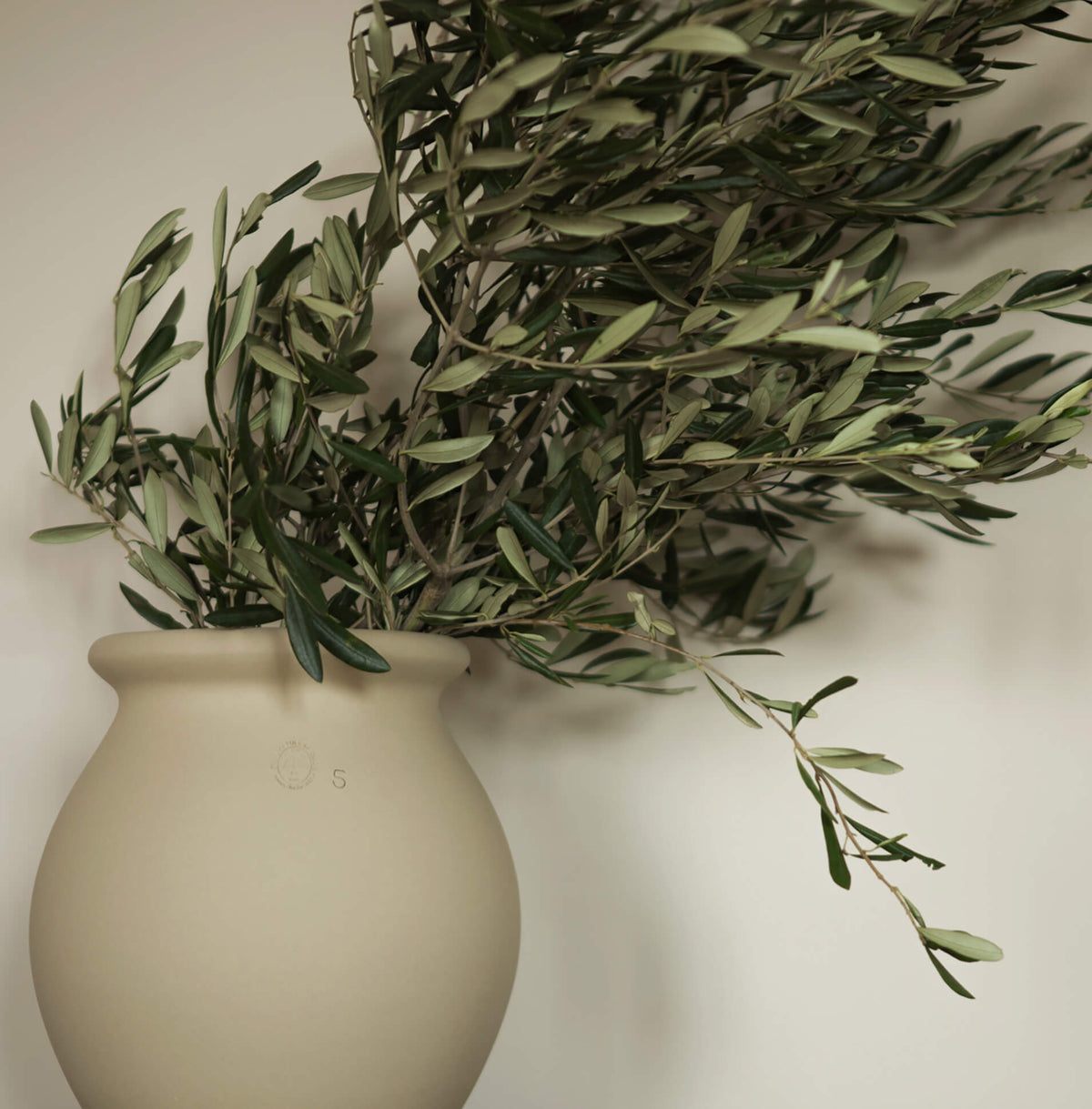
The Manufacture de Digoin makes stoneware objects for three distinct uses: the kitchen, the table and the garden. Its range includes jars and garden pots designed for outdoor use, as well as tableware such as the Pichet 1875, reissued to mark the house’s hundred and fiftieth anniversary. This range of uses rests on a single material, worked in ways that meet very different needs: a garden pot must withstand frost and bad weather, while a jug must be easy to handle and pleasant for everyday use.
This choice to remain faithful to a single material, adapted for multiple uses, sets the manufactory’s approach apart. Rather than multiplying materials, it explores what stoneware, well mastered, can offer, from the vegetable patch to the dinner table.

Stoneware, from raw material to fired piece
Everything starts with Burgundy stoneware clay, which the manufactory makes itself in its workshops from raw minerals. This control over the raw material, even before shaping begins, is a rare choice: many ceramicists buy their clay ready-made. In Digoin, every piece is then made entirely by hand, from shaping through to finishing.
Finally comes the firing, at 1250°C. This very high temperature, according to the brand, gives the ceramic its watertightness, strength and frost resistance. According to the manufactory, this is also what lets jars and garden pots stay outdoors all year round, unafraid of winter. For anyone looking for a garden container able to withstand the seasons without cracking, this high-temperature firing isn’t a technical detail — it’s what makes that use possible in the first place.

A craft the brand claims as its identity
The Manufacture de Digoin builds its narrative around continuity: a hundred and fifty years of working stoneware, a production site that hasn’t moved, work that has remained manual despite possible industrial shortcuts. It puts forward a method rather than a marketing claim — making its own clay, firing at high temperature, sticking to handwork — as the guarantee of the quality and durability of its pieces.
This claim to authenticity comes with a commitment to passing the craft on: the 2014 takeover was explicitly driven by the idea of saving a craft, not merely acquiring a brand. The new team that arrived in 2024 appears to carry that same logic forward, continuing both the historic reissues and the creation of new collections.
The hundred and fiftieth anniversary in a collection
The manufactory marked its anniversary by launching, on 28 July 2026, a collection reissued for the occasion. The Pichet 1875 is its flagship piece, an object that directly echoes the house’s founding year. This reissue fits within the twofold momentum seen since the 2024 takeover: revisiting the manufactory’s archives while continuing to create.
Why we like it
We love the idea of a craft that has lasted a century and a half without losing its character, still shaped by hand in the same workshops. The promise of stoneware fired at very high temperature, able to stay outdoors all year round, gives these objects a usefulness that goes well beyond mere decoration.
Exactly the kind of brand we’d love to come across on O!deal one day.
Manufacture de Digoin products we’ve spotted
1

Pichet 1875: Manufacture de Digoin revives 1930s elegance for its 150th
A hand-shaped Burgundy stoneware jug, brought back for a French manufactory's 150th anniversary. Two litres, a capacity that suits any table.