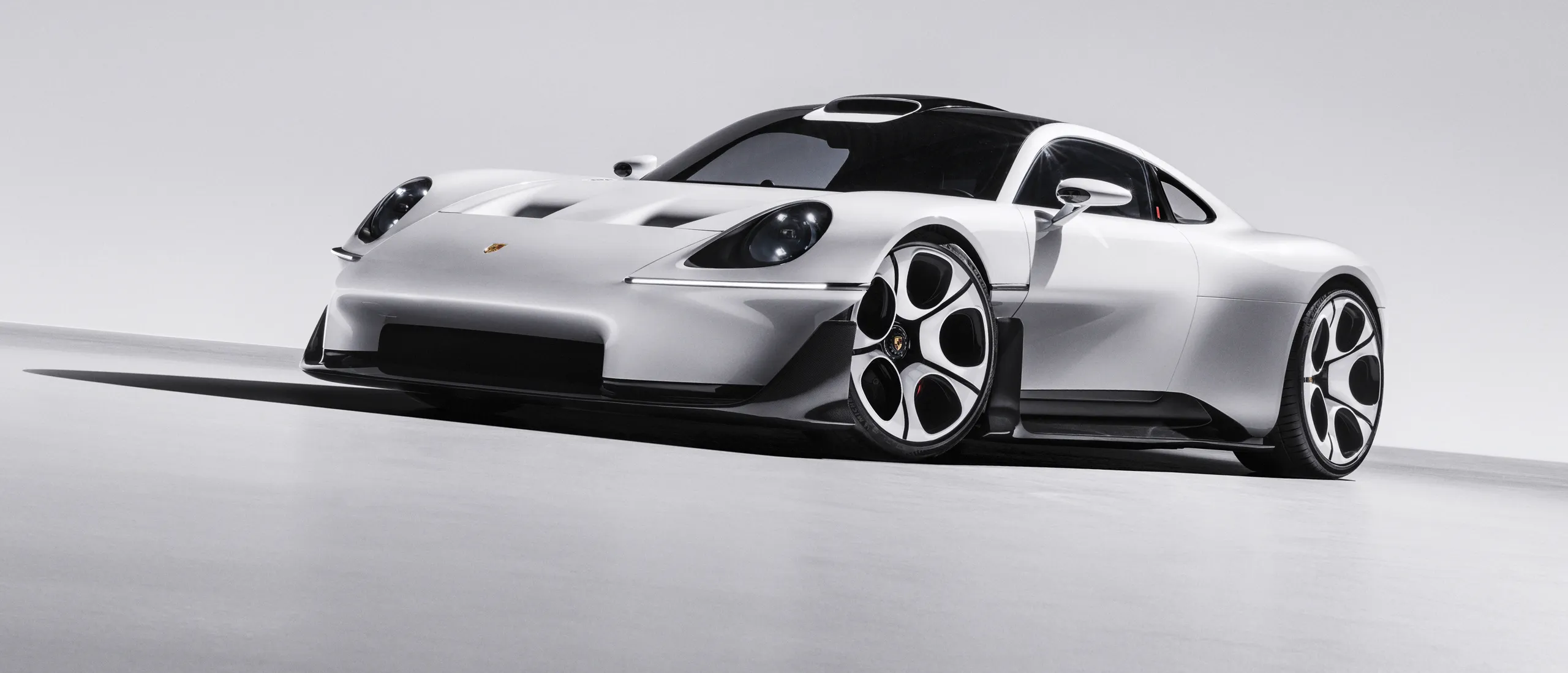


BRABUS P 900 Rocket Edition: the G 63 turned 662 kW pick-up
Built in Bottrop on a Mercedes-AMG G 63, the BRABUS P 900 Rocket Edition is a four-door pick-up with 662 kW, limited to 10 units worldwide.
What it is
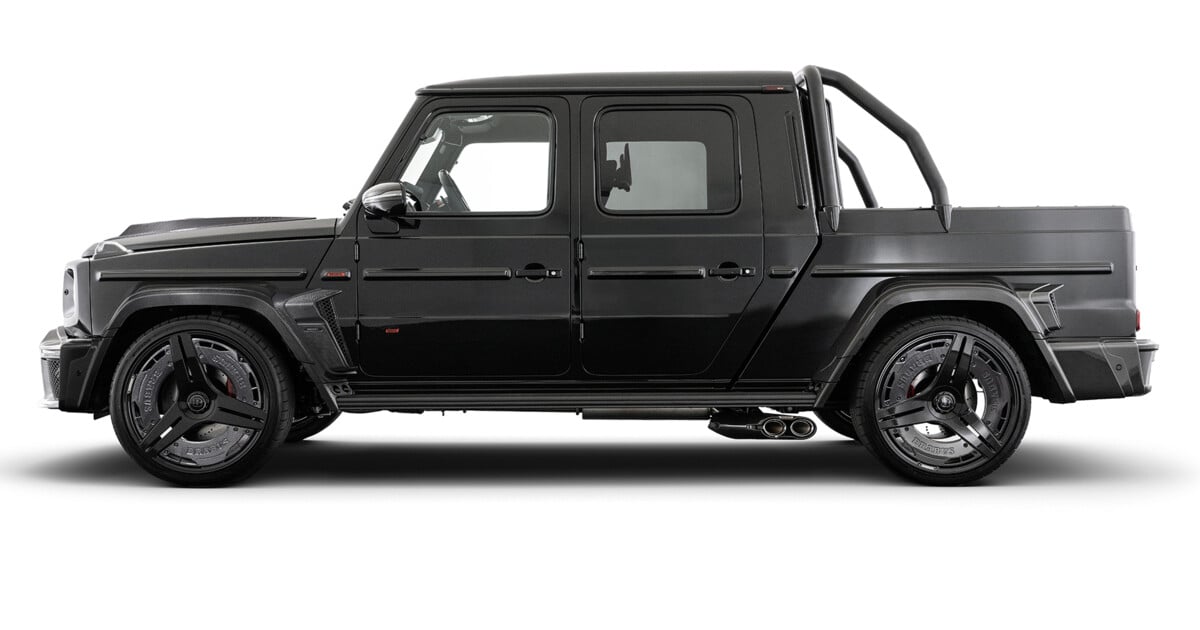
The BRABUS P 900 Rocket Edition starts from a Mercedes-AMG G 63 of the W 465 series. At BRABUS headquarters in Bottrop, the four-door cabin is kept, then the rear gives way to a load bed. The luxury off-roader becomes a pick-up, with its engine tuned up to 662 kW (900 HP).
Production is limited to 10 units worldwide. There are no variants: every vehicle gets the same specification, from the body kit to the red stitching in the cabin. BRABUS files its converted models under the name “Masterpiece”, and the key cover supplied with the vehicle carries that name.
The P 900 Rocket Edition is aimed at collectors of exceptional vehicles. It combines sports-car acceleration, permanent all-wheel drive and a carbon-fibre load bed with a teak floor.
Why it exists
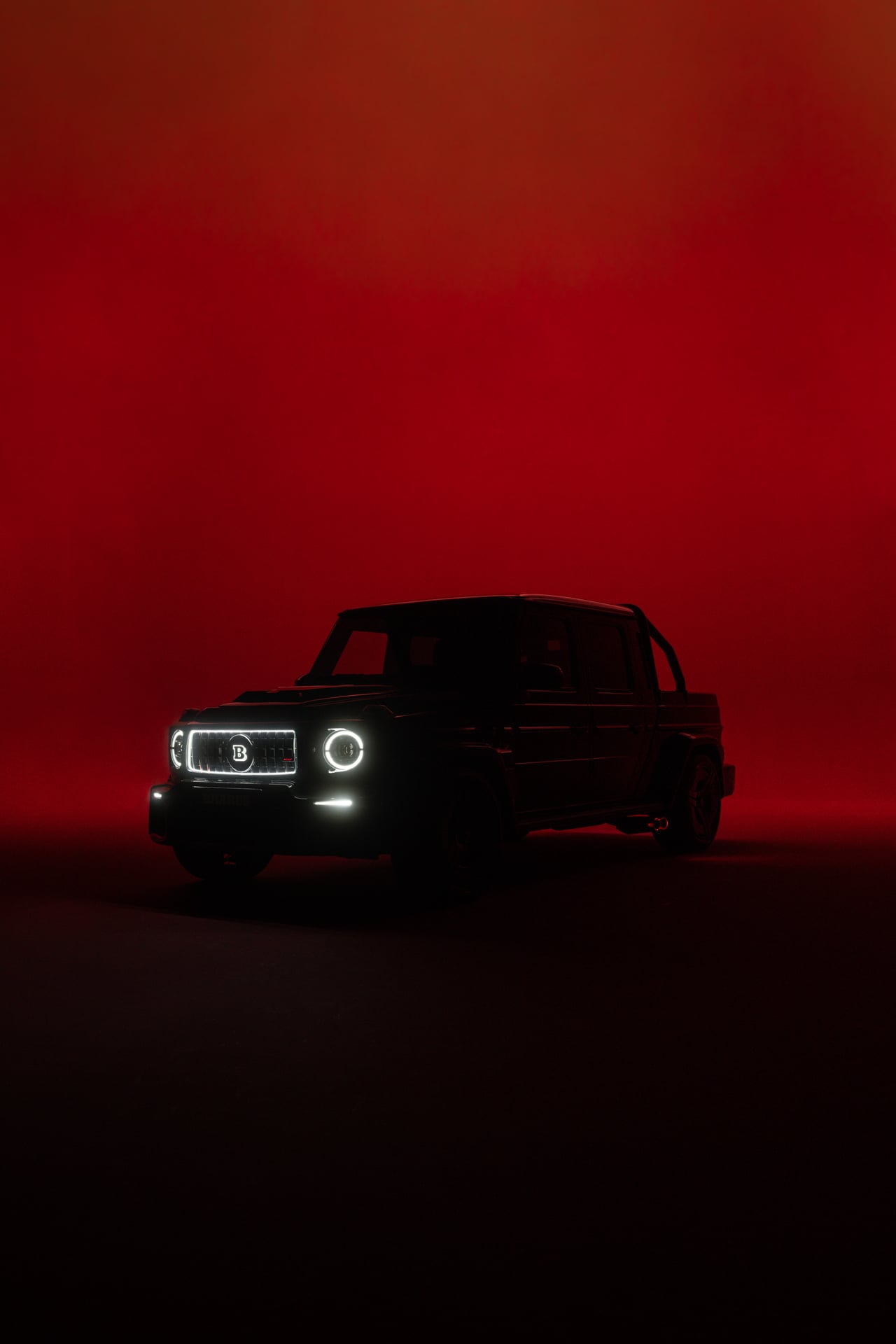
With this Rocket Edition, BRABUS relaunches its P 900 pick-up in a new generation. The brand states the 2026 model year. It follows the principle of the previous generation: stretch a G 63 and turn it into a pick-up without giving up power.
Lengthening a chassis raises the question of rigidity. According to BRABUS, the way the extension module is made fully preserves the chassis’s torsional rigidity. The wheelbase grows by 50 cm, and the load bed extends 205 mm further at the rear.
The series is very small, so the brand has taken care over the authenticity of each unit. Every vehicle receives a digital passport, recorded on the Aura Private Blockchain. According to BRABUS, this passport verifies ownership of the vehicle and helps fight counterfeiting.
What matters
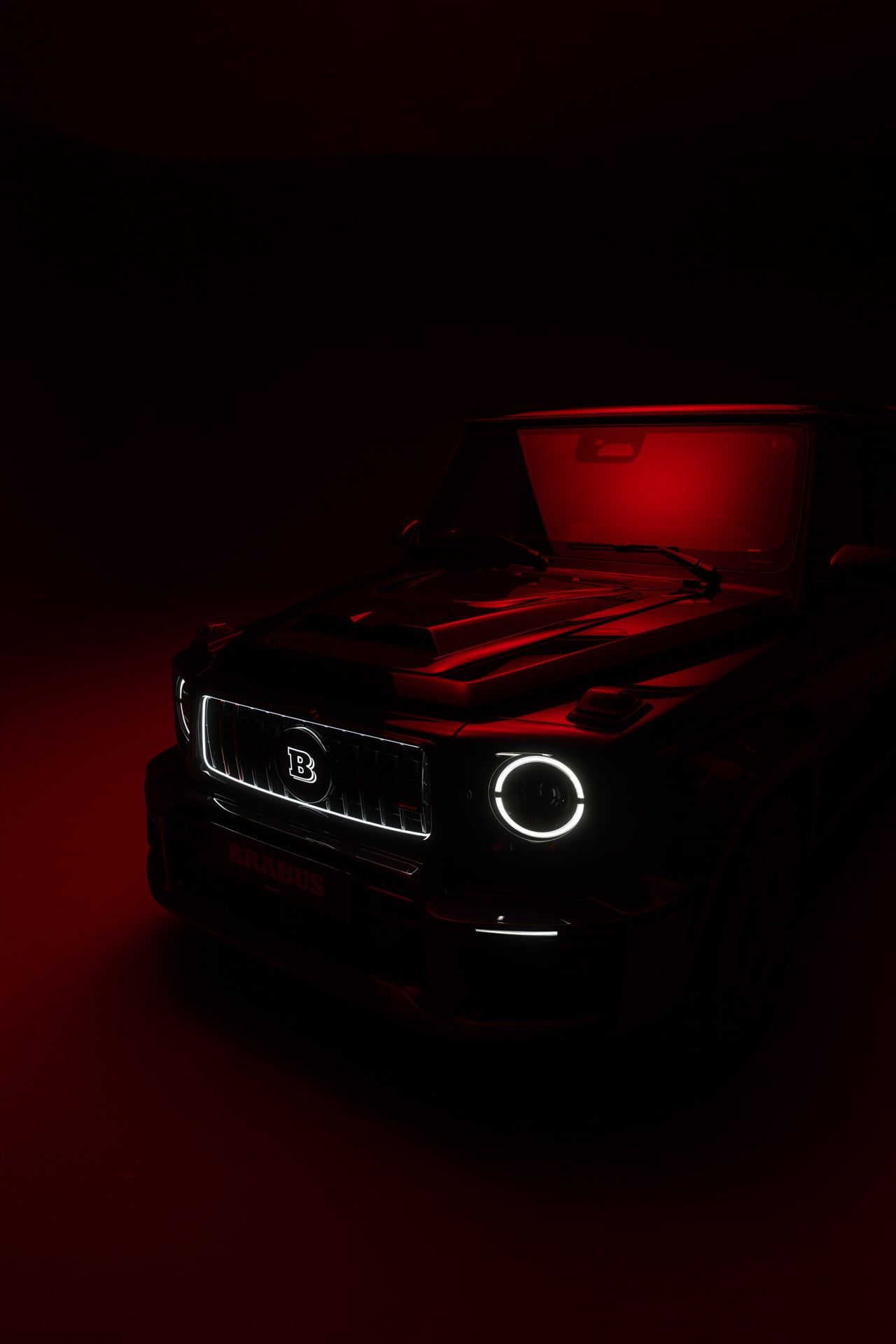
The BRABUS ROCKET 900 engine. The G 63’s twin-turbo V8 has its displacement raised from the original 3,982 cm³ to 4,407 cm³, or 4.5 litres. The bore is 84 mm and the stroke 100 mm. Two special BRABUS turbochargers, with a ø 52 mm compressor, blow at 1.4 bar. Power reaches 662 kW (900 HP) at 6,200 rpm. The lubricants come from MOTUL, the brand’s technical partner.
Torque capped by the electronics. The engine produces a maximum torque of 1,250 Nm. In the vehicle, the electronics limit it to 1,050 Nm. The nine-speed automatic gearbox and permanent all-wheel drive split this force between the four wheels. On the steering wheel, carbon paddles carry green, yellow and red LEDs that show when to change up.
Performance. 0 to 100 km/h takes 3.7 s. Top speed is electronically limited to 240 km/h. The speedometer is graduated up to 300 km/h. On Swiss motorways the limit remains the one set by law, and the acceleration figure matters mostly on motorway slip roads or on a racetrack.
The load bed. The walls are moulded carbon fibre using the prepreg process; the floor and the side tailgate are metal. The floor is covered in flexible teak, with the BRABUS lettering in red. Two lockable, waterproof compartments sit behind the cabin. As for size, the brand states an overall length of 538 cm (211.8 inches): a figure to keep in mind before looking for a parking space or a garage.
Wheels and suspension. The BRABUS Monoblock II EVO “Platinum Edition” forged wheels are 24 inches in diameter. They are matt black, with carbon aeroblades. At the front, 10Jx24 wheels take 295/30 ZR 24 tyres; at the rear, 12Jx24 wheels carry 345/25 ZR 24 tyres. The Hankook Ventus tyres were developed for these wheels. The suspension relies on BRABUS RideControl aluminium coilovers with adjustable damping. The vehicle is lowered by about 4.5 cm (45 mm). The brakes feature the ROCKET RED design.
Fuel consumption. Combined consumption is 17.3 l/100 km, with CO₂ emissions of 393 g/km. The vehicle falls into CO₂ class G.
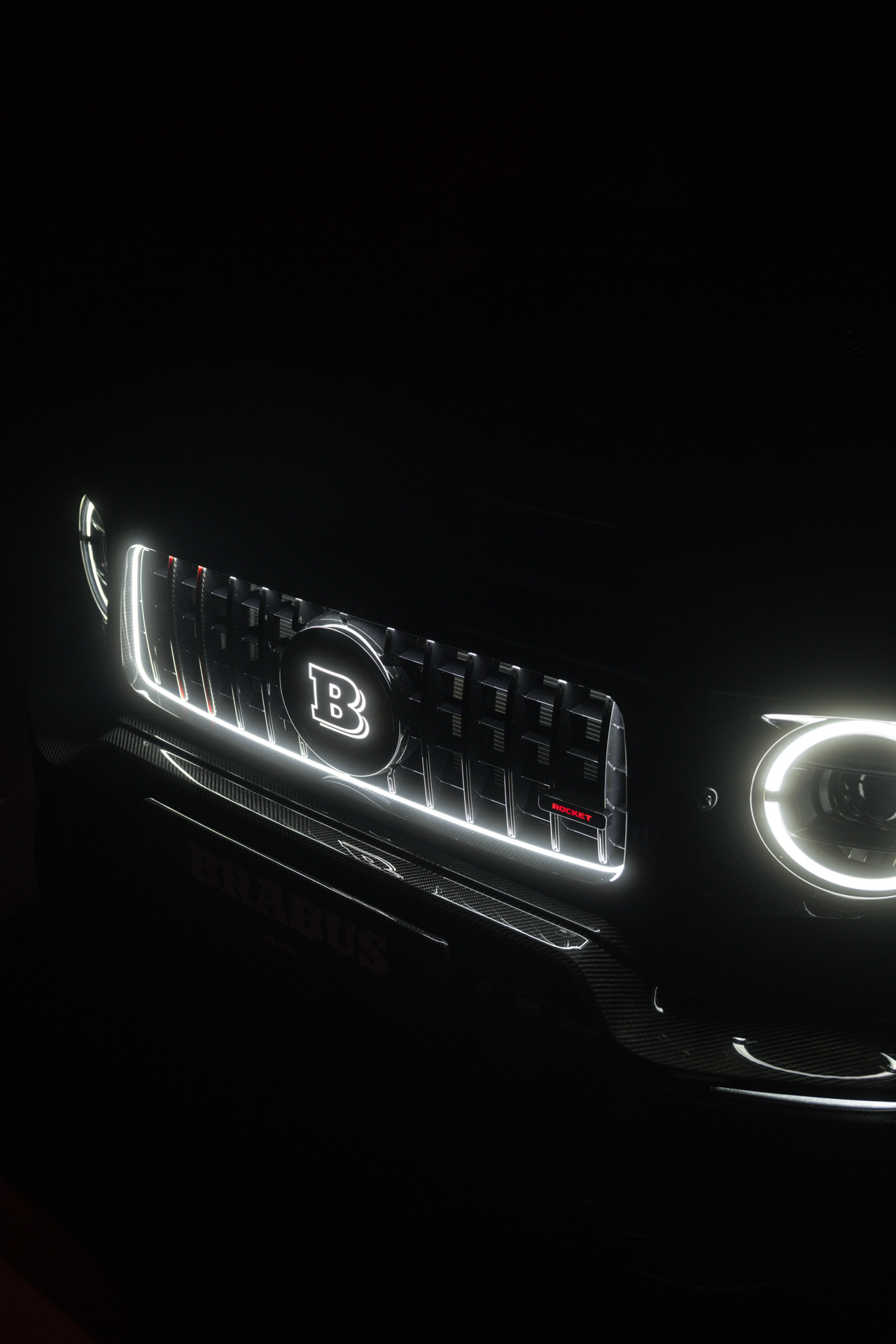
Day to day
Two sounds from one V8. The stainless-steel exhaust has electronically controlled valves. A button on the centre console switches from Sport mode to the quiet “Coming Home” mode, handy for getting home early in the morning or late at night in a quiet neighbourhood. The sound exits through two chrome side outlets on each side, ahead of the rear wheel.
In the rear seats, the Easy Entry function opens the doors to 90°, which makes getting in easier. Passengers have their own instrument console, built into the headliner: speed, revs, temperature, G-forces, time and date. A steel bulkhead separates the cabin from the load bed, with a heated rear window to keep the rear view clear in winter.
The cabin combines black leather and Alcantara, with “Shell” quilting, red stitching and red piping. The seats are ventilated through their perforated centres. An interior protective cover is supplied, along with a BRABUS Weekender travel bag matched to the interior: it fits in one of the waterproof compartments, ready for a weekend away.
The digital passport is read via NFC, through a plate built into the left wall of the load bed. At night, MLA projectors in the door mirrors light the ground around the vehicle.
Technical specifications
| Feature | Value |
|---|---|
| Base vehicle | Mercedes-AMG G 63, W 465 series |
| Limited series | 10 units worldwide |
| Place of manufacture | BRABUS headquarters, Bottrop, Germany |
| Engine | 4.5-litre twin-turbo V8 BRABUS ROCKET 900 |
| Displacement | 4,407 cm³ (versus 3,982 cm³ originally) |
| Power | 662 kW (900 HP) at 6,200 rpm |
| Maximum torque | 1,250 Nm |
| Torque electronically limited in the vehicle | 1,050 Nm |
| Bore × stroke | 84 mm × 100 mm |
| Boost pressure | 1.4 bar |
| Turbochargers | 2 special BRABUS turbos, ø 52 mm compressor |
| Transmission | 9-speed automatic gearbox, permanent all-wheel drive |
| 0 to 100 km/h | 3.7 s |
| Top speed | 240 km/h, electronically limited |
| Speedometer | Graduated up to 300 km/h |
| Combined consumption | 17.3 l/100 km |
| CO₂ emissions | 393 g/km |
| CO₂ class | G |
| Wheelbase extension | 50 cm |
| Load bed overhang | +205 mm |
| Overall length (stated) | 538 cm |
| Wheels | 24 inches, forged, matt black |
| Front wheels and tyres | 10Jx24, 295/30 ZR 24 tyres |
| Rear wheels and tyres | 12Jx24, 345/25 ZR 24 tyres |
| Lowering | About 4.5 cm |
| Rear door opening | 90° |
| Model year (stated) | 2026 |
What the brand says
BRABUS states that the P 900 Rocket Edition is among the most powerful vehicles in its category in the world. This is its main claim, backed by the ROCKET 900 engine.
On the construction, BRABUS maintains that the way the extension module is made fully preserves the chassis’s torsional rigidity, despite the longer wheelbase.
The brand presents the 24-inch Monoblock II EVO “Platinum Edition” wheels as the largest in its current range.
Finally, according to BRABUS, the digital passport recorded on the Aura Private Blockchain verifies ownership of the vehicle and helps fight counterfeiting.
Why it caught our eye
We spotted it for the stretch it embraces: a 662 kW V8 on one side, a flexible teak load-bed floor and two waterproof compartments on the other. We also like BRABUS's small touches, such as the quiet "Coming Home" mode and the headliner instrument console for rear passengers.
Exactly the kind of brand we’d love to come across on O!deal one day.
SourcesBRABUS (new tab) · HiConsumption (new tab)
Frequently asked questions
- What is the power of the BRABUS P 900 Rocket Edition?
- Its twin-turbo V8 produces 662 kW (900 HP) at 6,200 rpm. It goes from 0 to 100 km/h in 3.7 s.
- What is it built on, and in how many units?
- It is built on a Mercedes-AMG G 63 of the W 465 series, at the BRABUS headquarters in Bottrop, Germany. The series is limited to 10 units worldwide.
- What is its top speed?
- It is electronically limited to 240 km/h. The speedometer is graduated up to 300 km/h.
- What is its fuel consumption?
- The stated combined consumption is 17.3 l/100 km, with CO₂ emissions of 393 g/km. It is classed in CO₂ class G.
Also worth reading
- O!radarZendure
Zendure EVFlow AC: the wall charger that waits for the sun
The Zendure EVFlow AC charges electric cars at up to 22 kW and draws on a household's solar surplus from 1.4 kW. It starts with an RFID card, the app or simply when you plug in.
- O!radarPorsche
Porsche Mission S: the mid-engined supercar you start with a key
Mid-engined layout, aluminium key, five-point harnesses and physical climate controls: the Porsche Mission S is the vision model of a supercar that the brand unveiled in New York.
- O!radarThora
Thora ELF: a cup-holder air purifier with a titanium-alloy core
The Thora ELF is a personal air purifier sized for a car's cup holder, with an engraved aluminium body, PM2.5 and TVOC sensors and a washable titanium-alloy tube.