

xLean TR1: the robot that turns into a handheld vacuum
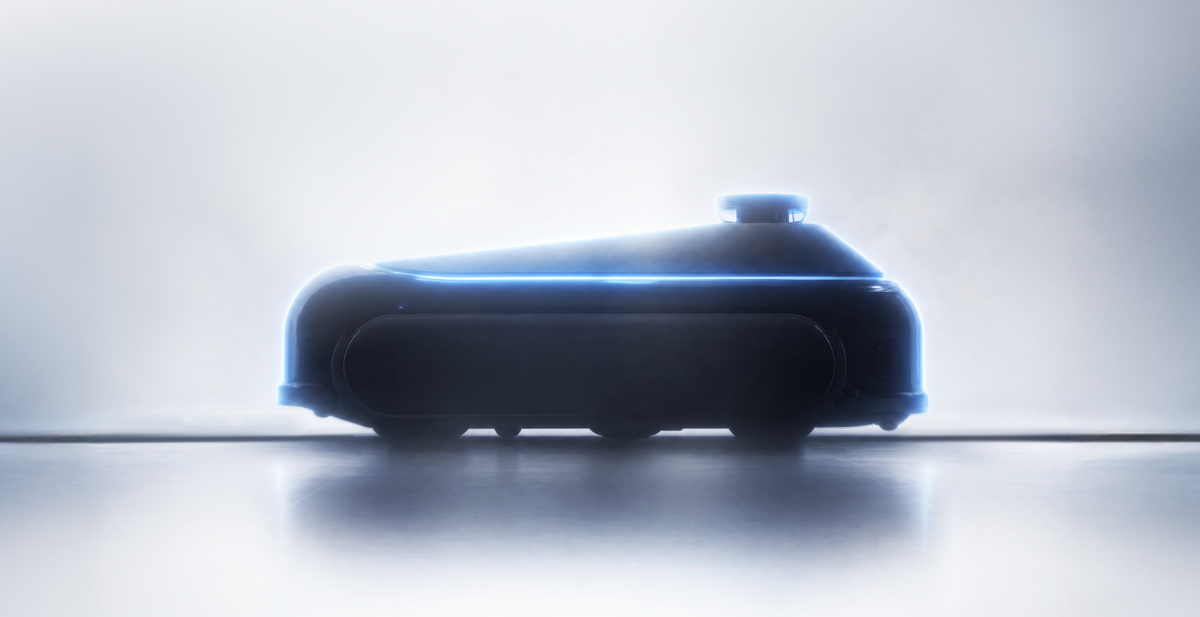
xLean presents the TR1 as the world's first dual-form floor-washing robot, able to transform into a handheld vacuum. One device for routine floor care and for the corners a robot cannot reach.
The brand
xLean is a home robotics brand. It makes the xLean TR1, a floor-washing robot presented as the world’s first dual-form model: the device can work as an autonomous robot or transform into a handheld vacuum.
The brand builds its case around an onboard artificial intelligence called EvoMind™, paired with an operating system named EvoMate™ OS. According to xLean, this AI lets the robot adapt its cleaning in real time, rather than following a fixed programme.
What it is
The xLean TR1 is a dual-form floor-washing robot: an autonomous robot on one side, a handheld wet-and-dry vacuum on the other. The idea is to cover two uses with a single device, for households that want both a robot for routine upkeep and a handheld tool for surfaces or corners the robot can’t reach.
Two variants exist. The first uses a conventional water tank, filled and emptied by hand. The second offers automatic filling and emptying, managed by the station. The box contents depend directly on which version you choose.
Why it exists
xLean’s central selling point is this dual form: instead of owning a floor-washing robot and, separately, a handheld vacuum for occasional tasks, users would have a single device that switches between the two. The brand claims a world first on this transformation mechanism, which is patent-protected.
On cleaning performance itself, xLean states that the onboard AI makes cleaning 50% faster and 100% spotless. It goes further, presenting EvoMate™ OS as the first cleaning robot system with agentic capabilities — meaning, according to the brand, that it can make cleaning decisions autonomously rather than simply executing a pre-set route.
What matters
Suction power reaches 17,000 Pa. In practical terms, this is the parameter that determines the robot’s ability to capture fine dust and heavier debris, including on textile surfaces. Strong suction reduces the risk of residue being left behind after the appliance has been used.
Washing relies on two 10.43-inch rollers, spinning at up to 400 RPM each. The faster the rotation, the more scrubbing action on ground-in stains — a point that matters for kitchen or entryway floors exposed to sticky dirt. An anti-tangle comb and a smart rotating roller accompany this system, designed to limit hair and fur wrapping around the rollers.
Clear-water rinsing relies on a dual 16-way spray system. This mechanism keeps the rollers clean during cleaning, preventing them from redepositing dirty water on floors already treated. In addition, the station washes the rollers in hot water at 167°F, then dries them with hot air at 149°F — a step designed to limit odours and mould growth between uses.
Navigation relies on a 360° LiDAR sensor capable of reading over 5,000 points per second, paired with an RGB-D camera and a dedicated autonomous-driving chip. Together, these elements define the robot’s ability to map a room, spot obstacles and adjust its path accordingly.
A green laser sensor built into the device detects floor dirt levels. This sensor, in theory, allows cleaning intensity to be adapted by zone, rather than applying the same treatment everywhere.
Finally, the station automatically separates solids and liquids collected during cleaning. This separation means there’s no need to sort waste yourself before emptying the tank.
Day to day
The station can be connected to the home’s water pipes, which, depending on the version chosen, allows automatic filling and emptying without manual intervention. With the water-tank version, filling remains the user’s responsibility.
Control runs through a mobile app, compatible with iOS 13 and later, as well as Android 9.0 and later. This is how users schedule cleaning runs and check the device’s status.
In terms of shape, the robot’s shell has a square body, designed to better cover room corners rather than leaving untreated zones — a classic weak point of round-shaped robots.
Routine maintenance is partly automated by the station: hot-water roller washing, hot-air drying, automatic waste separation. Switching for free between the tank version and the automatic fill/empty version remains possible during the warranty period.
Technical specifications
| Feature | Value |
|---|---|
| Suction power | 17,000 Pa |
| Washing rollers | 2 rollers of 10.43 inches, up to 400 RPM each |
| Clear-water rinse system | Dual 16-way spray system |
| Station hot-water wash | 167°F |
| Station hot-air drying | 149°F |
| Automatic solid/liquid separation | Solids and liquids separated automatically |
| LiDAR sensor | 360°, over 5,000 points per second |
| Onboard camera | RGB-D camera |
| Processing chip | AI autonomous-driving chip |
| Dirt sensor | Built-in green laser sensor |
| App compatibility | iOS 13+ and Android 9.0+ |
| Transformation mechanism patent | Patent Publication No. CN222032271U |
| Box contents | Water tank or automatic fill/empty version |
| Shell design | Square body to cover corners |
| Anti-tangle system | Anti-tangle comb and smart rotating roller |
| Station water connection | Connectable to home water pipes |
| Guaranteed version switch | One free switch between the two versions during the warranty period |
What the brand says
xLean presents the TR1 as the world’s first transformable dual-form floor-washing robot. It states that the onboard AI makes cleaning 50% faster and 100% spotless. The brand also describes EvoMate™ OS as the first cleaning robot system with agentic capabilities.
On the handheld unit, xLean states it’s as light as an apple — an image meant to illustrate how manageable it is once detached from the robot. The brand also claims the robot has been trained on millions of simulated scenarios and continues learning from use in handheld mode, suggesting the device improves over time.
Also worth reading
- O!radarZendure
Zendure SolarFlow 800 Plus: a plug-and-play battery built to grow with you
A compact solar battery that promises expandable storage and fast local response.
- O!radarCamouflage Outdoor
Camouflage EZ NightVision 200: night vision without complicated settings
Dutch brand Camouflage Outdoor launches a night vision device aimed at camping and evening outings. Supplied with a case, a strap and a cleaning cloth, it promises simplicity: take it out and use it.
- O!radarSpeediance
Speediance Gym Monster Ultra: the home gym that folds away behind a door
Digital resistance, a built-in touchscreen and full folding: Speediance positions its flagship model as an all-in-one strength ecosystem for the home.