

AlpWalk U1: the battery-free exoskeleton that promises to ease your back
AlpWalk launches the U1, a 4.5 kg mechanical exoskeleton designed to relieve the shoulders and lower back when carrying loads — no motor, no battery.
The brand
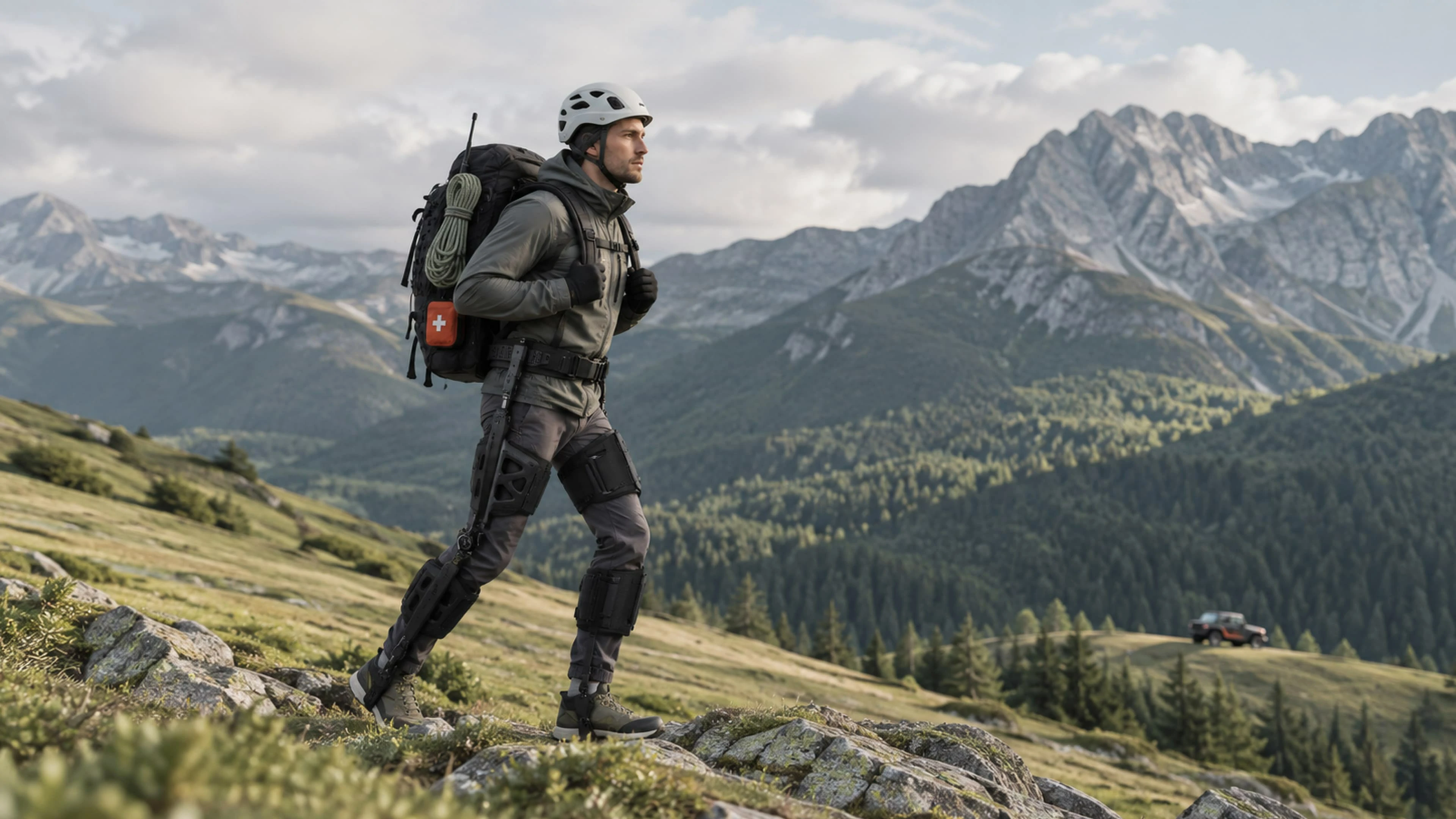
AlpWalk designs robotic exoskeletons. Its territory: mobility assistance, load-carrying and lifting. The brand claims a distinguishing feature that shapes all of its communication: it develops its entire technology chain in-house, from the hardware to the movement algorithms. No outsourcing of the key components, then, according to the brand.
This vertical-integration positioning is no small matter for an object as specific as an exoskeleton. Frame, joints, movement logic: everything comes out of the same design workshop. AlpWalk sits within a still-young sector: wearable devices designed to reduce physical effort in repetitive or heavy tasks — whether in a warehouse, on a building site, or in any context involving frequent carrying, lifting or bending.
What it is
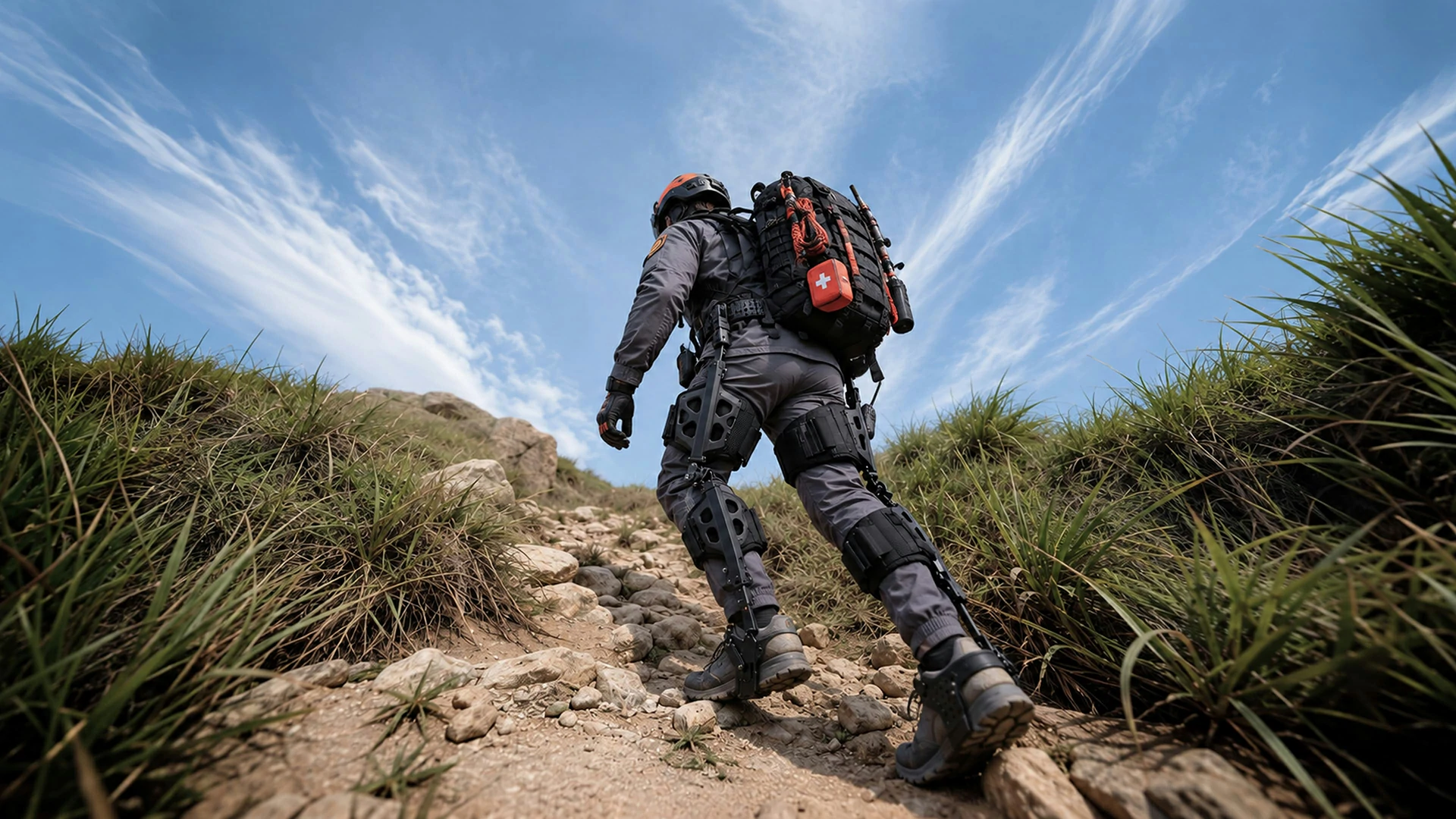
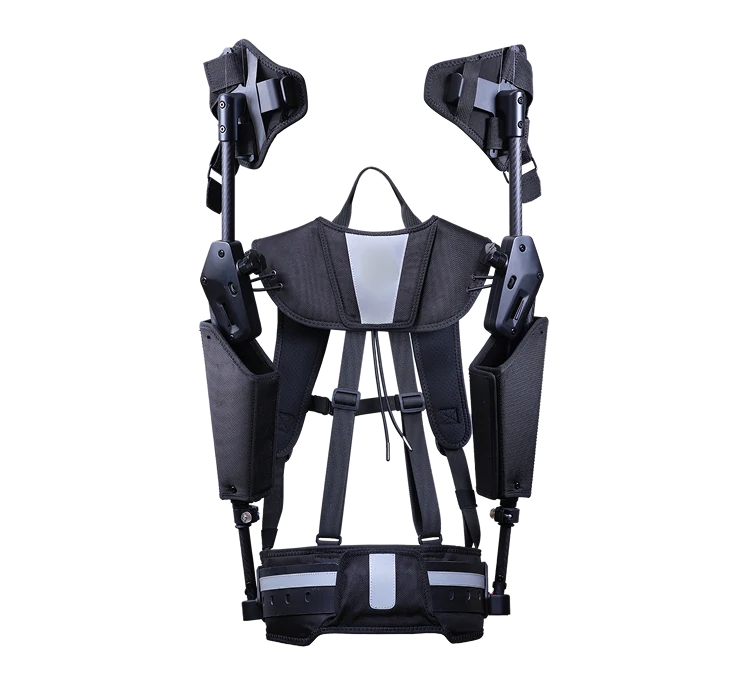
The AlpWalk U1 is an agile exoskeleton, designed to assist with carrying loads. The word “agile” is not just cosmetic: unlike motorised exoskeletons, which are heavy and dependent on onboard electronics, the U1 relies on pure mechanics. No battery to recharge, no motor to maintain, no firmware update to keep track of.
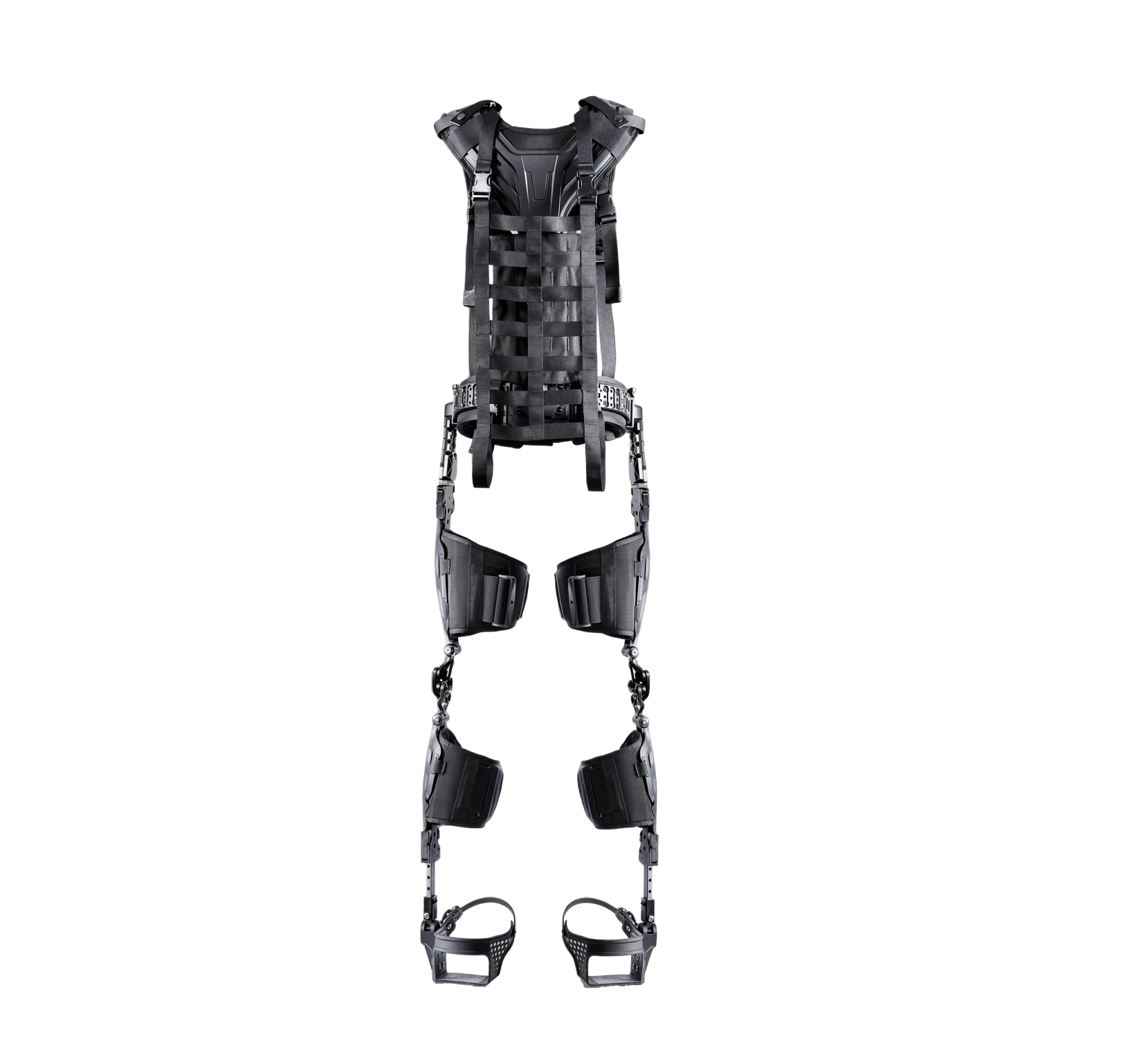
The frame splits into independent sections covering the arms, waist and legs.
Who is this kind of object for? Anyone who has to carry loads repeatedly: materials handling, logistics, building sites, or any professional activity that puts sustained strain on the back and shoulders.
Why it exists
The problem the U1 claims to solve is one anyone who has carried a load for too long will recognise: the fatigue and tension that build up in the shoulders and lower back. AlpWalk states that its exoskeleton reduces perceived load at these two specific points by 70%. This is the brand’s central argument: relieving the body without forcing it into a heavy, complex machine.
The brand goes further, stating that the U1 removes 70 kg of load from the user’s body, while the frame itself weighs only 4.5 kg. The idea being put forward is one of a favourable ratio between the weight added by the exoskeleton and the weight it is said to take off the body. That said, this 70 kg figure quoted in the brand’s messaging doesn’t quite match the technical maximum-assistance figure stated elsewhere, which is 50 kg.
By choosing a battery-free, motor-free approach, AlpWalk also appears to be addressing another, implicit problem: that of reliability and ease of use over time, without dependence on an electrical charge or onboard software.
What matters
Weight of the full frame: 4.5 kg. A heavy exoskeleton cancels itself out: if it weighs more than the comfort it provides, it becomes an extra burden rather than a help. At 4.5 kg for the whole frame, the U1 positions itself as something you could wear through an entire working day without adding a noticeable load to the body.
Maximum assistance: 50 kg. This technical figure sets the upper limit of what the exoskeleton is designed to support in terms of load. In practice, it’s the ceiling for the U1’s intended use: beyond that, you’re outside the scope the device was designed for.
Adjustment points: 36 points across the whole frame. A poorly fitted exoskeleton rubs, slips, or transmits effort badly. Thirty-six adjustment points spread across the entire structure suggest fine-grained customisation, section by section, to fit different body shapes rather than imposing a single fixed position.
Patented 4-link bionic knee. The knee joint is often the weak point of exoskeletons: it has to follow the leg’s natural bend without slowing or forcing it. A four-link system, patented by the brand, aims precisely at this fluidity of movement at a joint that’s put under particular strain when crouching or bending repeatedly.
Modular design in independent sections. Splitting the frame into arms, waist and legs allows, in theory, each part to be adjusted or maintained separately, without having to work on the entire structure every time an adjustment is needed.
No battery, no motor, no firmware update. This is the technical choice that most clearly sets the U1 apart from motorised exoskeletons. No electrical charge to manage, no software to update: the device works purely on the mechanical principles of its frame and joints.
Day to day
On maintenance, AlpWalk states that the U1 works identically years after purchase. This is a promise directly tied to the absence of electronic components: no battery that degrades, no motor to service, no software update to follow. According to the brand, the mechanics remain stable over time.
Technical specifications
| Specification | Value |
|---|---|
| Weight of full frame | 4.5 kg |
| Maximum assistance | 50 kg |
| Adjustment points | 36 points across the whole frame |
| Knee joint | Patented 4-link bionic knee |
What the brand says
AlpWalk states that the U1 reduces the load on the shoulders and lower back by 70%. The brand also states that the exoskeleton removes 70 kg of load from the user’s body, while the frame itself weighs only 4.5 kg. Finally, AlpWalk states that the U1’s maintenance means it works identically years after purchase, highlighting the longevity of its electronics-free mechanics.
Also worth reading
- O!radariKier
iKier Flex: the compact laser engraver that folds in on itself
A fully enclosed desktop laser engraver, delivered pre-assembled, able to work wood, leather or dark acrylic without taking over a whole workshop.
- O!radarMakera
Makera Z1 Desktop CNC: an industrial-grade mill built for a home workbench
A desktop CNC milling machine that promises closed-loop precision, quick tool changes and round-the-clock running — all sized to fit on a table.
- O!radarBose
Bose Noise Cancelling Wired Earbuds: wired is back, and better
Noise-cancelling wired earbuds with a direct USB-C connection, four microphones for QuietControl technology, and a choice of three listening modes.