

Citroën 2 CV concept: the 1948 icon returns, electric and lightweight
The 2 CV concept revives the 1948 2 CV as a fully electric car: 3.76 m long, under one tonne, with a canvas roof and a removable bench seat.
What it is
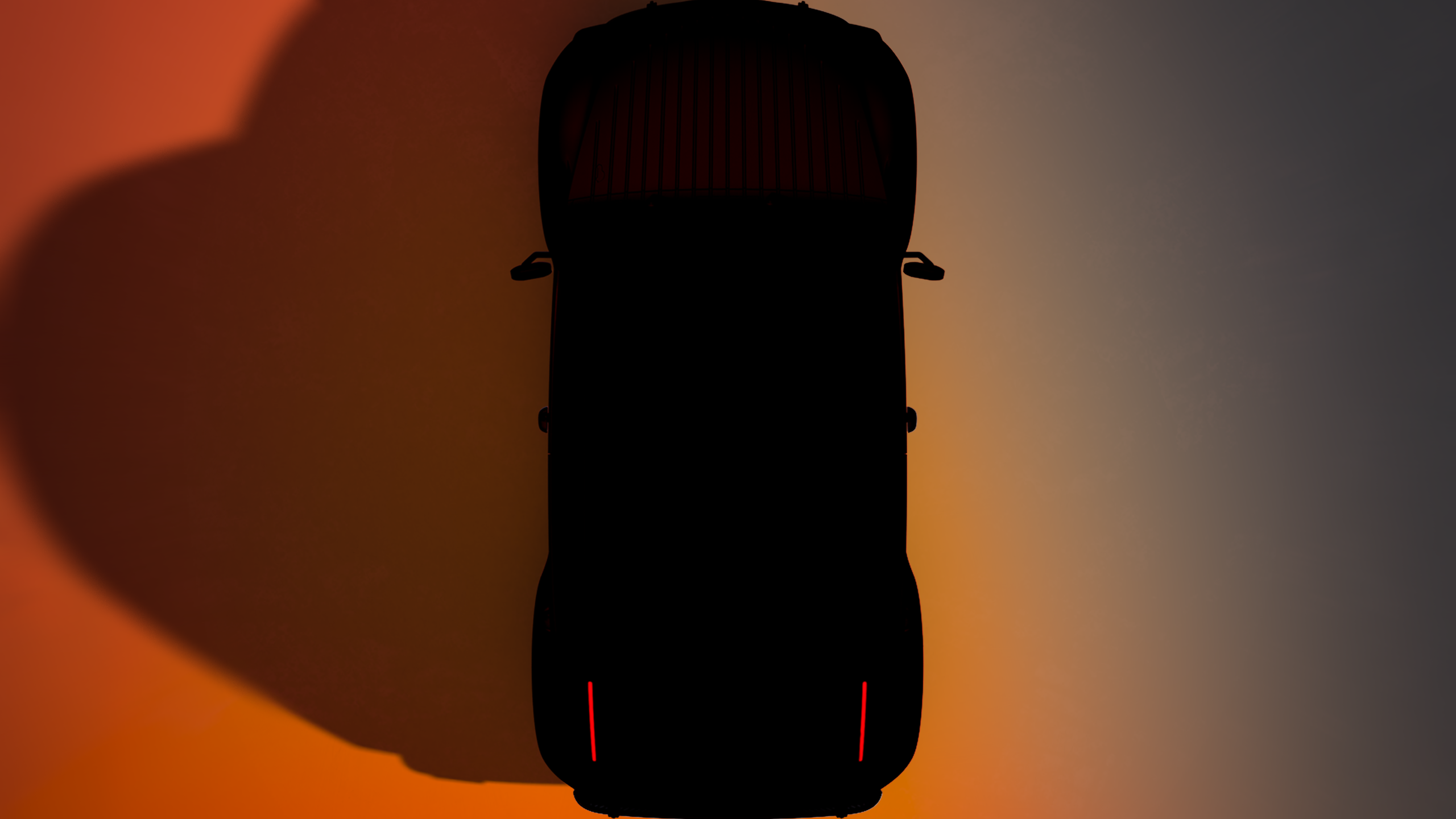
The Citroën 2 CV concept is a fully electric city car. Citroën presents it in 2026 as a reinterpretation of its 2 CV, which was unveiled in 1948 and built until 1990. It is a concept car, revealed in October 2026 on the eve of the press day at the Paris Motor Show, at Paris Expo Porte de Versailles. The production model is due to join the Citroën range in 2028. It will be built in Europe.
The 2 CV concept is aimed first and foremost at the city. It is 3.76 m long and weighs less than one tonne. It is also designed for days out. On board are a picnic basket, a radio called Radioën and a removable bench seat. According to the brand, the front bench can be set down outside and used as a deckchair. The radio detaches and becomes a portable speaker. The canvas roof opens by hand, Citroën says. By a lake, the car becomes a place to rest.
The brand also plans a van version, the 2 CV concept “Fourgonnette”, for professionals. According to Citroën, the concept on show comes in a colour called Rouge Infra Red, a red with an orange tinge.
Why it exists
The starting point is lightness. Citroën makes it the core of the project and presents the 2 CV concept as the lightness champion, with no rival in its view. According to the brand, a lower weight allows a smaller battery. The range is intended for everyday journeys.
This reasoning leads to an electric car that is simpler, more compact and easier to build, according to Citroën. The brand talks about mobility within everyone’s reach. It wants the 2 CV to return in 2026 more desirable and more contemporary than ever.
To get there, Citroën will share development with Fiat and Leapmotor. Both brands are due to offer their own models on the same platform.
What matters
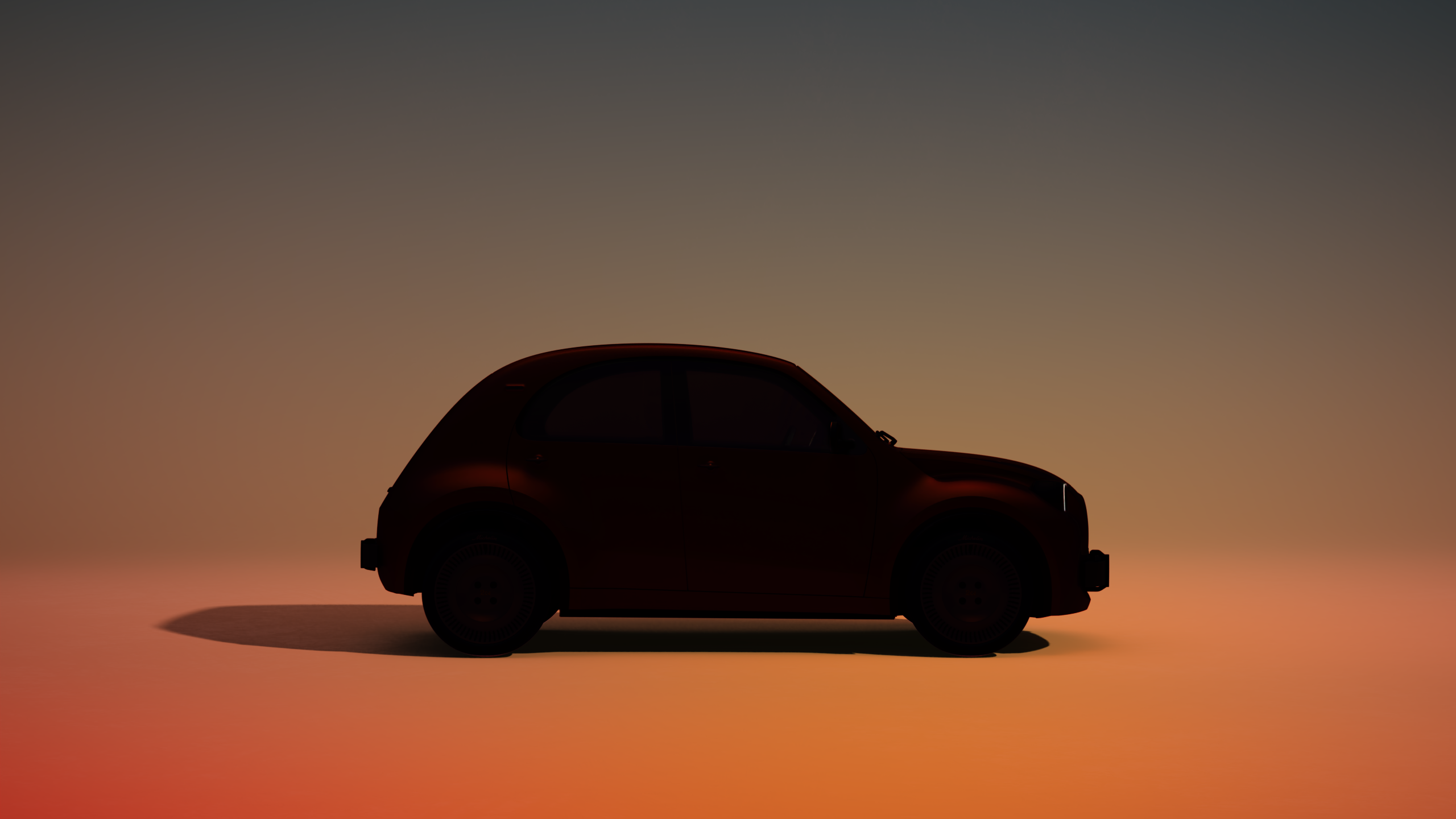
A city-car footprint. At 3.76 m long, the 2 CV concept stays within the dimensions of a small city car. The wheels are pushed out to the four corners and the overhangs are short, so the bodywork extends little beyond the wheels. This layout frees up room for the cabin within a compact length.
Under one tonne on the scales. An electric car weighing less than one tonne is the figure on which the whole project rests. According to Citroën, this weight allows a smaller battery. The target range suits everyday journeys, such as getting to work, doing the shopping or taking the children to school.
A fully electric powertrain. The 2 CV concept runs on electricity alone. The brand links this choice directly to weight: a light car needs less battery for everyday journeys.
A driving position of its own. The steering wheel has a single spoke and the gear lever is suspended, two nods to the original 2 CV. According to the brand, a central cylinder carries the steering wheel, a single stalk, the gearbox control and a storage space. Citroën announces a square 8-inch touchscreen. Its graphics draw on comic-book art and are by the Belgian illustrator Jean-Luc Delvaux. A Smart Vision display puts information in the driver’s line of sight, according to the brand.
A cabin open to the outside. The glazed areas are large, the roof is canvas and the dashboard is stripped back. The seats are “Sofa” style. Citroën announces a yellow Scottish tartan upholstery. The beige finishes are inspired, according to the brand, by the Bakelite parts of the older models.
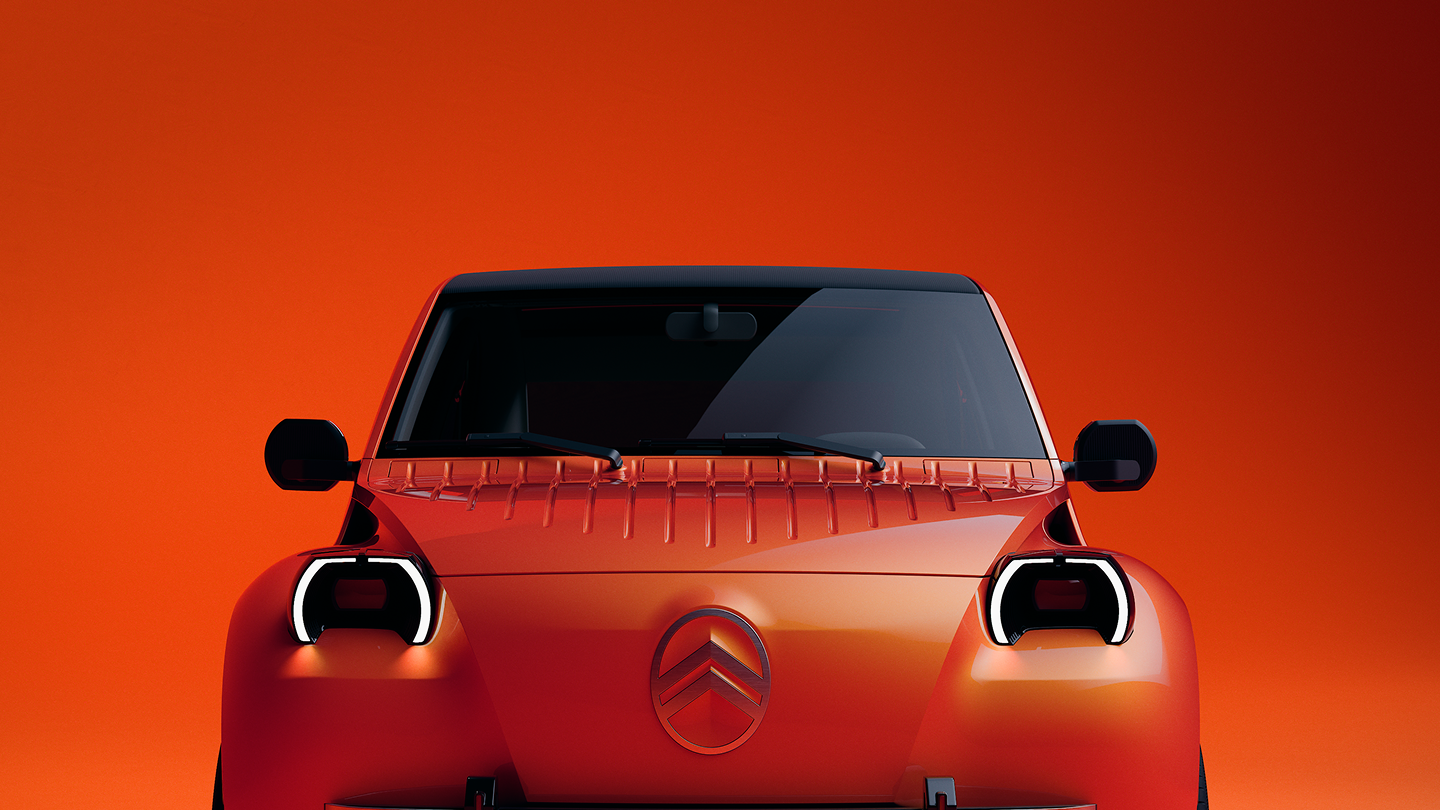
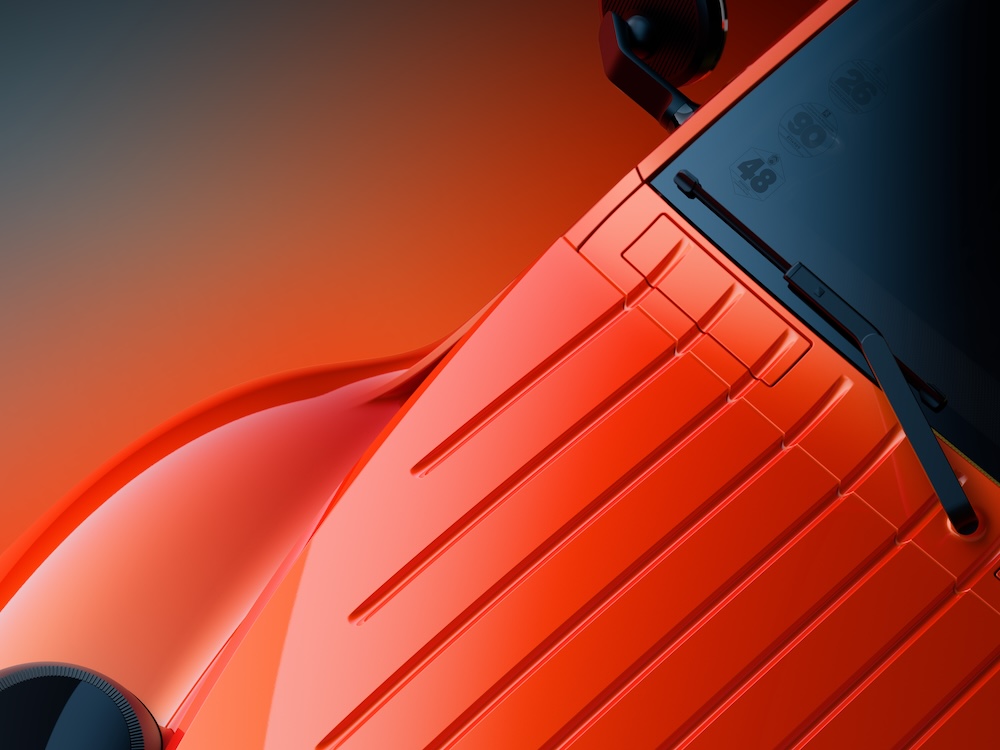
A recognisable silhouette. The bonnet is ribbed, the windscreen upright and the large wheels aerodynamic. The 2 CV concept has a distinctive lighting signature. According to the brand, the headlights are circular LEDs and the wheels measure 18 inches. You recognise the 2 CV at first glance, in modernised form.
Day to day
The removable front bench plays a double role. Citroën says it can be used outside as a deckchair. You take it out for a break, then put it back in before driving off.
The Radioën works on the same principle. According to the brand, this removable radio serves as a portable speaker. The music moves from the cabin to the picnic without needing any other device.
In the centre, Citroën announces a removable basket, 3D-printed in bio-based plastic and wood. It lifts out of the car like a bag. The door pockets are designed to carry eggs, according to the brand.
The canvas roof opens manually, according to Citroën. To get in and out, fabric straps replace conventional door handles. In the evening, a string of lights hung from the roof lights up the cabin, according to the brand.
As for upkeep, Citroën announces Michelin tyres bearing the “Héritage” logo. They come with a “digital twin of the tyre” used to monitor their condition.
Technical specifications
| Feature | Value |
|---|---|
| Length | 3.76 m |
| Weight | under one tonne |
| Powertrain | fully electric |
| Screen (announced) | touchscreen, square, 8 inches |
| Wheels (announced) | 18 inches |
| Figures on the windscreen (announced) | 48, 90 and 26 |
| Original model | unveiled in 1948, built until 1990 |
| Concept unveiled | 2026 |
| Production model due (announced) | 2028 |
What the brand says
Citroën presents the 2 CV concept as the lightness champion. According to the brand, the 2 CV returns in 2026 more desirable and more contemporary than ever, with mobility within everyone’s reach. Citroën also promises seamless connectivity and a constant sense of well-being on board.
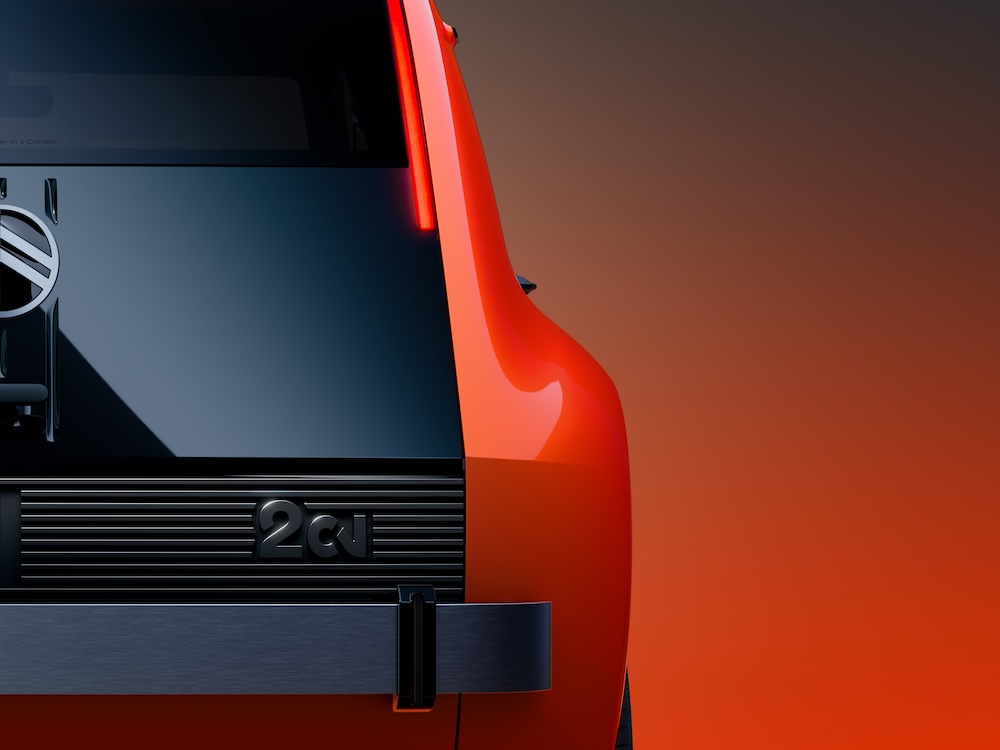
The brand has scattered several nods to the model’s history throughout the car. According to Citroën, the horn and the start-up sound recall those of the original 2 CV. The windscreen carries the figures 48, 90 and 26: 1948, 1990 and 2026, that is, the launch, the end of production and the return of the model. The pedals are illustrated with a tortoise and a rabbit. At the rear, a digital plate shows the nicknames given to the 2 CV in different countries, according to the brand.
Finally, Citroën announces that the production model will join its range in 2028 and will be built in Europe.
Why it caught our eye
We noticed it for its removable bench seat, which according to Citroën turns into a deckchair, and for its radio that detaches to become a speaker. We like that Citroën is starting again from lightness, with an electric car under one tonne, and has not forgotten the horn of the original 2 CV.
Exactly the kind of brand we’d love to come across on O!deal one day.
SourcesCitroën (new tab) · Journal du Geek (new tab) · designboom (new tab)
Frequently asked questions
- How long is the Citroën 2 CV concept?
- It is 3.76 m long. Its wheels are pushed out to the four corners, with short overhangs front and rear.
- What powertrain does it have?
- It is fully electric. Citroën has not disclosed the battery, the range or the power output.
- What happens with the front bench seat?
- It is removable and can serve as a deckchair outside. The concept also carries a picnic basket and a removable Radioën radio that acts as a portable speaker.
- Is there a van version?
- Yes, a "Fourgonnette" version is planned for professionals. It is presented as the 2 CV concept "Fourgonnette".
Also worth reading
- O!radarZendure
Zendure EVFlow AC: the wall charger that waits for the sun
The Zendure EVFlow AC charges electric cars at up to 22 kW and draws on a household's solar surplus from 1.4 kW. It starts with an RFID card, the app or simply when you plug in.
- O!radarBRABUS
BRABUS P 900 Rocket Edition: the G 63 turned 662 kW pick-up
Built in Bottrop on a Mercedes-AMG G 63, the BRABUS P 900 Rocket Edition is a four-door pick-up with 662 kW, limited to 10 units worldwide.
- O!radarPorsche
Porsche Mission S: the mid-engined supercar you start with a key
Mid-engined layout, aluminium key, five-point harnesses and physical climate controls: the Porsche Mission S is the vision model of a supercar that the brand unveiled in New York.